
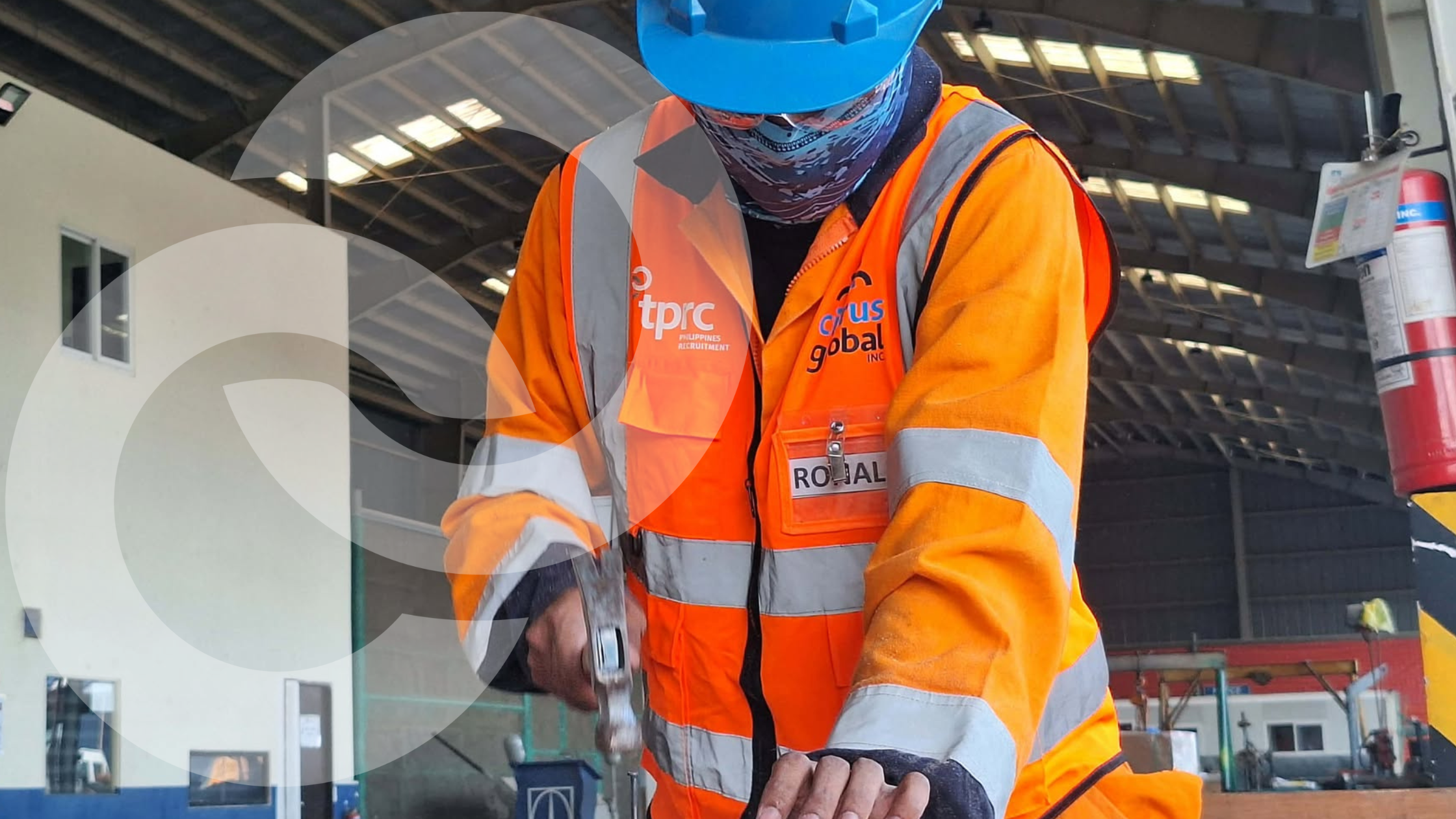
Australian SMEs face a critical decision when trying to fill skilled trade roles: wait months for local candidates who may never materialise, or build a sponsored workforce pipeline that delivers results. Standard business sponsorship gives you a legal pathway to hire qualified tradespeople from overseas and bring them onto your team as direct, long-term employees.
This article explains how the sponsorship process works, what obligations you'll take on, and how to choose the right migration support provider for your business.
Key Takeaways:
- Standard business sponsorship (SBS) allows Australian employers to nominate skilled overseas workers for employer-sponsored visas such as the Skills in Demand (SID) visa.
- Your business must be lawfully operating, financially stable, and able to meet sponsorship obligations including paying market salary rates.
- The nomination process requires Labour Market Testing to prove no suitable local candidates are available for the role.
- The Philippines Recruitment Company offers end-to-end support including visa processing, compliance management, and a two-year retention guarantee.
- Choosing the right migration partner can reduce compliance risks and help you avoid costly application delays or refusals.
What Is Standard Business Sponsorship?
Standard business sponsorship is an approval granted by the Department of Home Affairs that allows an employer to nominate skilled workers for employer-sponsored visas. Without this approval, you cannot sponsor someone for a visa like the Skills in Demand (SID) subclass 482.
The SBS pathway is designed for businesses of all sizes. Whether you run a construction firm with 15 employees or a manufacturing operation with 200 staff, the same core requirements apply. Your business needs to demonstrate that it is lawfully operating, financially sound, and capable of meeting ongoing sponsorship obligations.
Once approved, your SBS status typically lasts for five years. During this period, you can nominate multiple workers across different roles, making it a practical option for SMEs planning to scale their workforce over time.
Why SMEs Need a Sponsorship Pathway
The numbers tell the story. According to Jobs and Skills Australia, trades occupations continue to experience some of the lowest vacancy fill rates of any occupational category. For every three advertised positions, fewer than two are being filled.
SMEs feel this pressure most acutely. Larger companies have dedicated HR teams and recruitment budgets. Smaller businesses often rely on word-of-mouth, local job boards, and hope. When those channels fail to deliver qualified candidates, projects stall, overtime costs climb, and existing staff burn out.
Employer-sponsored visa pathways offer a structured alternative. Rather than competing for the same shrinking pool of local tradespeople, you can access skilled Filipino professionals who are ready to commit to long-term direct employment with your company.
Who Can Become a Standard Business Sponsor?
Most Australian businesses can apply for SBS approval if they meet the eligibility criteria. The Department of Home Affairs looks for evidence that your business is actively trading and legitimate, with a valid ABN or ACN, financial statements, and proof of ongoing operations.
You also need a clean compliance record. Serious workplace law breaches, sanctions, or previous sponsorship failures can disqualify your application. The Department wants confidence that you will honour your commitments to sponsored workers.
Financial capacity matters as well. You must demonstrate the resources to employ the nominated worker and pay at least the required market salary. For the SID visa, the minimum Core Skills Income Threshold is currently $76,515 plus superannuation, though this amount increases annually.
What Obligations Come with Being a Sponsor?
Approval as a sponsor brings legal obligations under migration law. These sit alongside your existing responsibilities under Australian workplace legislation.
Your core duties include paying the sponsored worker at or above the nominated salary, keeping accurate records of recruitment, payroll, and role duties, and notifying the Department of any significant changes. You cannot recover prohibited costs from the worker, including the Skilling Australians Fund levy.
Record-keeping is a practical concern for SMEs. You must maintain evidence of Labour Market Testing, which involves advertising the role for at least 28 days on two nationally recognised job sites before sponsoring an overseas candidate. Keep copies of all job advertisements and applicant records. The Department can request these documents during compliance monitoring.
How the Nomination Process Works
Once your SBS is approved, you can begin nominating specific roles. Each nomination requires you to select an appropriate occupation from the ANZSCO classification system, demonstrate the market salary for that role, and pay the SAF levy.
Common pitfalls trip up many first-time sponsors. Choosing the wrong ANZSCO occupation code causes delays or outright refusals. The occupation listed must genuinely reflect the duties the worker will perform. Weak salary evidence is another frequent issue. You need documentation showing that comparable roles in your location and industry pay at or above the rate you are offering.
Processing times vary, but nomination approval typically takes two to twelve weeks. Visa approval usually follows one to four weeks after that. The total timeline from lodging your SBS application to having a worker arrive can stretch to six to nine months, so planning ahead is essential.
What to Look for in a Migration Support Provider
Most SMEs lack the internal expertise to navigate sponsorship alone. A specialist migration support provider can handle the compliance documentation, coordinate skills assessments, and manage the visa application process from start to finish.
When evaluating providers, look for a track record of successful placements. Ask about their visa success rate and retention outcomes. A provider who can demonstrate high placement numbers and low turnover offers more credibility than one making vague promises.
The Philippines Recruitment Company has placed over 3,500 skilled Filipino tradespeople with Australian employers and maintains a 98% retention rate. Their in-house migration services include access to a migration lawyer who provides tailored advice on visa pathways, ensuring your nominations align with current requirements.
How TPRC Supports SMEs Through the Sponsorship Process
Working with a specialist recruitment partner simplifies the sponsorship journey. The Philippines Recruitment Company handles every stage, from initial workforce planning through to candidate deployment and ongoing retention support.
Their recruitment process begins with understanding your specific skill requirements and compliance needs. They then source candidates from an active database of over 10,000 Filipino job seekers, screening for qualifications, trade certifications, and cultural fit.
For visa and migration, TPRC manages skills assessment coordination, Philippine government accreditation, pre-departure briefings, and travel arrangements. Their 99.7% visa success rate reflects rigorous attention to documentation and compliance. Rather than navigating the Department of Home Affairs system yourself, you receive a complete application package ready for lodgement.
Their two-year retention guarantee addresses the SME concern about turnover. If a placed worker leaves within two years, TPRC sources a replacement at no additional recruitment cost. This reduces the risk of sponsoring someone who does not stay the course.
Understanding Visa Options for Sponsored Workers
The Skills in Demand (SID) visa has replaced the former TSS 482 visa as the primary employer-sponsored pathway. It allows skilled professionals to live and work in Australia for up to four years, with a pathway to permanent residency after two years of full-time work.
Key features include no age limit, the ability for visa holders to bring their family, and a requirement for Labour Market Testing. Spouses can work full-time in any role, and children can attend school.
Regional employers may also benefit from Designated Area Migration Agreements (DAMAs). These arrangements between the Department of Home Affairs and regional authorities can offer certain concessions, such as reduced English language requirements or lower salary thresholds, depending on the occupation and location.
For occupations where the SID visa does not apply, alternative pathways include the Subclass 190 (Skilled Nominated), Subclass 491 (Skilled Work Regional), and Subclass 494 (Employer Sponsored Regional). A migration specialist can advise which pathway suits your specific circumstances.
Common Mistakes SMEs Make with Sponsorship
First-time sponsors often underestimate the documentation burden. Incomplete Labour Market Testing records, incorrect occupation codes, or insufficient salary evidence cause avoidable delays. The Department rejects applications that do not meet the technical requirements, regardless of how genuine your need for workers may be.
Another common error involves role and location drift. If the duties or work location change significantly after nomination approval, you may need to lodge a fresh nomination. This adds cost and time. Establish internal approval processes so that proposed changes route through whoever manages your sponsorship obligations first.
Some employers also attempt to recover sponsorship costs from workers. This is explicitly prohibited and triggers compliance sanctions. The SAF levy and nomination fees are your responsibility as the sponsor.
Building a Sustainable Workforce Pipeline
Standard business sponsorship works best as part of a longer-term workforce strategy. Rather than treating each hire as a one-off crisis response, SMEs can use their SBS approval to build a reliable pipeline of skilled tradespeople over the five-year approval period.
This approach reduces recruitment stress. When you know where your next welders, fitters, or electricians are coming from, you can plan projects with greater confidence. You can accept contracts that would otherwise be too risky due to workforce uncertainty.
The retention dimension matters equally. Sponsored workers who receive proper onboarding, workplace support, and a pathway to permanent residency tend to stay longer than local hires chasing the next contract rate. TPRC's Lifetime Relationships Program supports candidates and their families beyond the initial placement, helping with everything from bank account setup to community integration.
In Conclusion: Taking the First Step Toward Sponsorship
Standard business sponsorship offers Australian SMEs a practical pathway to fill skilled trade roles when local candidates are unavailable. The process requires planning, documentation, and ongoing compliance, but the payoff is access to qualified tradespeople committed to long-term employment.
Partnering with a specialist recruitment provider like The Philippines Recruitment Company reduces the administrative burden and compliance risk. Their end-to-end service covers everything from initial workforce assessment through to visa processing, deployment, and retention support.
If your business is struggling to fill critical trade roles, the best time to start building your sponsorship pipeline is now. The six to nine month timeline from application to arrival means businesses acting today will have options that latecomers will not.
FAQs About How Standard Business Sponsorship Helps Australian SMEs
What is the minimum salary required to sponsor a skilled worker?
The current Core Skills Income Threshold for the Skills in Demand visa is $76,515 plus superannuation. This amount increases annually. You must pay the sponsored worker at least the market rate for their occupation in your location, which may be higher than the minimum threshold.
How long does the standard business sponsorship approval process take?
SBS approval processing times vary depending on application completeness and Department workloads. Once approved, nomination processing typically takes two to twelve weeks, with visa approval following one to four weeks later. The Philippines Recruitment Company advises clients to plan for a total timeline of six to nine months from initial application to worker arrival.
Can small businesses with fewer than 20 employees apply for sponsorship?
Yes. Standard business sponsorship is available to businesses of all sizes, provided they are lawfully operating, financially stable, and able to meet sponsorship obligations. SMEs in construction, manufacturing, and trades sectors regularly use this pathway to hire skilled Filipino tradespeople through The Philippines Recruitment Company.
What happens if a sponsored worker leaves before their visa expires?
If a placement does not work out, your obligations as a sponsor may require you to cover certain costs such as return travel. The Philippines Recruitment Company offers a two-year retention guarantee, meaning they will source a replacement at no additional recruitment cost if a placed worker leaves within that period.
Do I need a migration agent to apply for standard business sponsorship?
While you can lodge applications directly through ImmiAccount, working with a registered migration agent or specialist provider reduces the risk of errors and refusals. TPRC provides in-house migration services including access to a migration lawyer who ensures your applications meet current Department requirements.
What industries commonly use standard business sponsorship in Australia?
Construction, manufacturing, mining, automotive, agriculture, and hospitality are among the sectors with the highest demand for sponsored workers. The Philippines Recruitment Company specialises in placing skilled Filipino tradespeople across these industries, matching candidates with relevant trade certifications to employer requirements.