
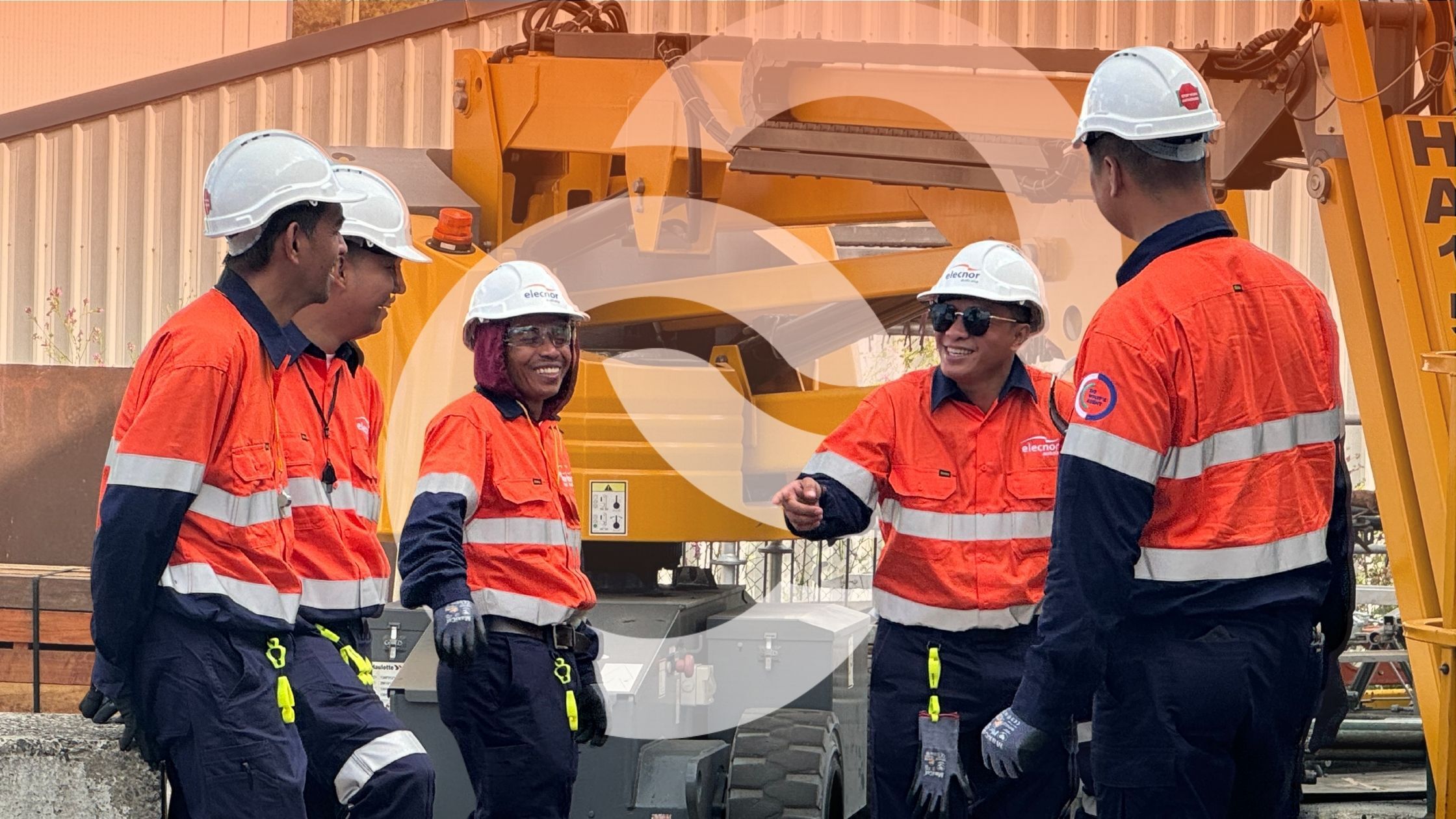
Australia’s labour market is changing, but one challenge remains familiar to many employers: finding people with the right skills when they are needed.
The latest data from Jobs and Skills Australia shows recruitment conditions weakened in early 2026. The national vacancy fill rate fell to 68.2% in March 2026, with vacancy fill rates declining across all skill-level groups.
Looking ahead over the next five years, workforce modelling continues to point to sustained pressure in key sectors such as construction, care, hospitality, and technical trades — driven by population growth, infrastructure investment, and an ageing workforce.
For businesses already dealing with project deadlines, expansion plans or ongoing vacancies, this creates an important question:
Where will the skilled people come from over the next five years?
Which skilled occupations are in demand?
The 2026 edition of Australian Jobs provides a current picture of Australia's labour market, including employment trends across occupations and industries. Technicians and Trades Workers account for almost 2 million workers, making them one of Australia's largest occupational groups, according to Jobs and Skills Australia’s Australian Jobs 2026 report.
However, forward-looking workforce expectations over the next five years suggest that demand will not only remain strong in these areas — it is expected to stay consistently high across several key sectors due to infrastructure pipelines, housing targets, and service demand growth.
Some occupations consistently identified as high-demand include:
- Electricians
- Carpenters and Joiners
- Chefs
- Metal Fitters and Machinists
- Motor Mechanics
- Aged and Disabled Carers
- Child Carers
- Education Aides
- Waiters
- Bar Attendants and Baristas
These occupations represent areas of significant employment today, and continued demand is expected as Australia moves through the next five-year period.
However, businesses should be careful about treating any "top 10" as a definitive shortage ranking. Labour demand varies significantly by region, industry cycle, and economic conditions. Jobs and Skills Australia consistently recommends using a broader evidence base rather than relying on a single list, as outlined in their labour market data and insights.
Why are skilled trades particularly difficult to recruit?
The March 2026 Occupation Shortage Report highlights the continued difficulty employers face when recruiting skilled workers.
Technicians and Trades Workers recorded a 63% recruitment difficulty rate, while Skill Level 3 occupations had a 55.5% vacancy fill rate, based on Jobs and Skills Australia’s Occupation Shortage Report.
Looking ahead over the next five years, these pressures are expected to persist due to:
- Ongoing infrastructure and housing development
- Retirement of experienced trades workers
- Slower domestic training pipeline in some occupations
- Increased competition between industries for the same talent
For employers, the issue isn't simply having a vacancy.
It is finding someone with the right technical skills, experience and ability to meet the requirements of the role.
And when a critical position stays open, the impact compounds — existing employees take on more work, projects are delayed, and businesses may be forced to turn down opportunities.
Should Australian businesses look beyond the local talent pool?
International recruitment isn't about replacing Australian workers. For businesses that have already tested the local market and are struggling to find suitable candidates, it can provide another pathway to skilled talent.
This becomes even more relevant when looking at workforce needs over the next five years, where sustained demand is expected across multiple industries.
Filipino professionals are one option Australian employers can consider, particularly across trades, technical roles, healthcare, hospitality, construction, manufacturing and other industries.
The important part is how those workers are recruited and assessed.
A CV alone doesn't tell an employer whether someone can perform the job to the required standard — especially in safety-critical or technical roles.
What should you look for in a recruitment partner?
Choosing an international recruitment partner is a decision that should go beyond the number of candidates they can provide.
Look for a partner that can demonstrate:
Targeted sourcing — Can they identify candidates based on your actual requirements rather than simply sending available CVs?
Technical screening and trade testing — Can candidates demonstrate their skills before you make a hiring decision?
Compliance knowledge — Does the recruiter understand the requirements involved in international recruitment and employer-sponsored visas?
Deployment support — Who manages the process between selection and the worker arriving in Australia?
Post-placement support — What happens after the employee starts?
At TPRC, our recruitment process covers the journey from understanding the employer's requirements through sourcing, screening, interviews, compliance, deployment and retention support, as outlined on our recruitment process page.
Our 2-Year Guarantee also gives employers additional confidence when investing in an international hire, supported by our Lifetime Relationships Program.
The real advantage is planning before you need someone
The 2026 data reinforces something many Australian businesses are already experiencing: skilled recruitment can take time.
Looking ahead over the next five years, this challenge is unlikely to ease significantly in high-demand sectors, as shown in Jobs and Skills Australia’s labour market projections.
That makes workforce planning increasingly important.
If you know a project is coming, expect expansion, or regularly struggle to fill certain roles, waiting until the vacancy becomes urgent can leave you competing in the most difficult part of the market.
Building a recruitment pipeline earlier gives you more time to assess options, identify suitable talent and make a considered hiring decision.
The question isn't simply where to find skilled workers. It's whether you have a recruitment strategy ready not just for today — but for the next five years.
TPRC helps Australian businesses access skilled Filipino professionals through targeted recruitment, technical screening, trade testing, compliance coordination, deployment and ongoing support.